
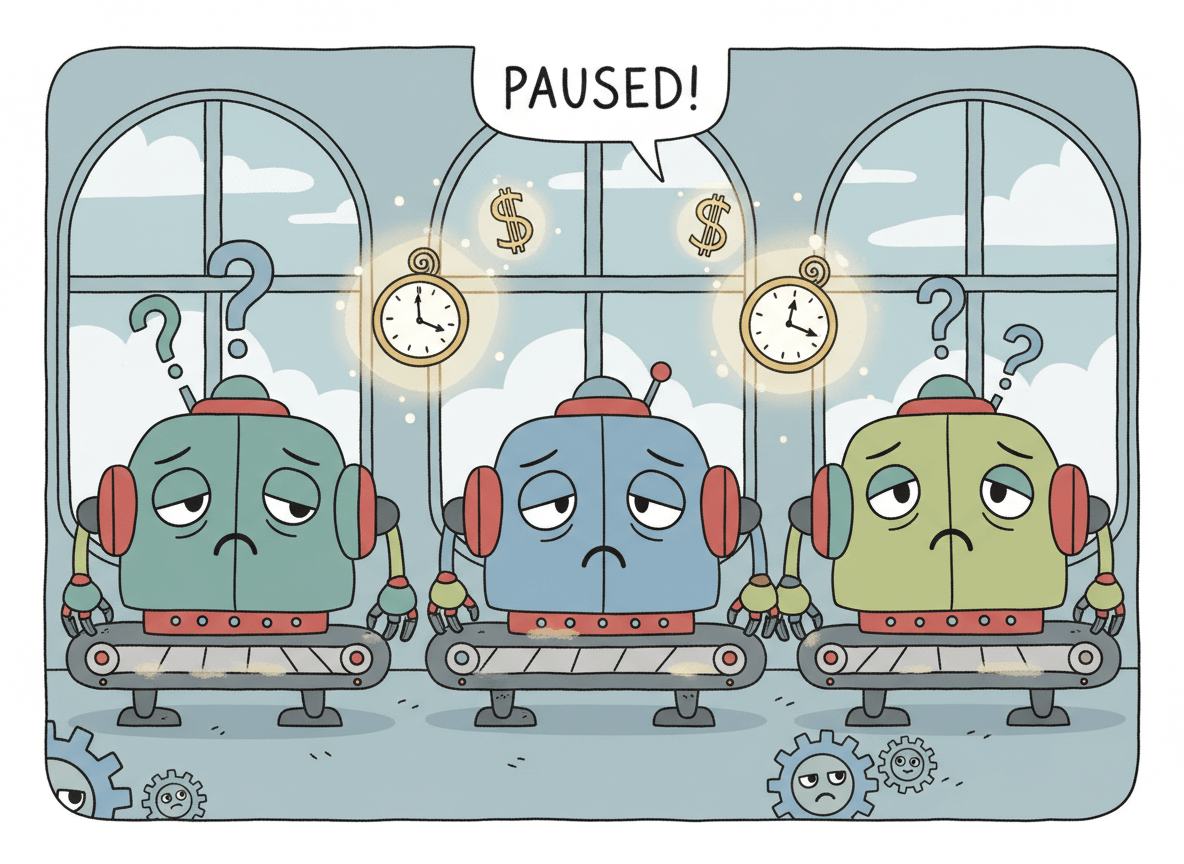
Introduction: The Cost You Don’t See on the Balance Sheet
Most manufacturers track downtime, scrap rates, labor efficiency, and on-time delivery. What often goes unnoticed is the hidden force dragging all of those numbers down at once: digital drag.
Digital drag is what happens when aging systems, patchwork software, unreliable networks, and reactive IT support quietly slow everything down. Not enough to cause a full shutdown every day, but enough to chip away at output, margins, and morale.
In Canadian manufacturing environments, this problem shows up everywhere. Aging Windows machines still running legacy software. Shared servers that no one wants to touch. ERP systems that technically work, but only if nothing changes. And cybersecurity measures that exist mostly on paper.
The result is a plant that looks operational, but never quite runs at full speed.
This article breaks down what digital drag really looks like in manufacturing, how it impacts operations, and what a modern IT approach can do to remove it.
What Is Digital Drag in Manufacturing?
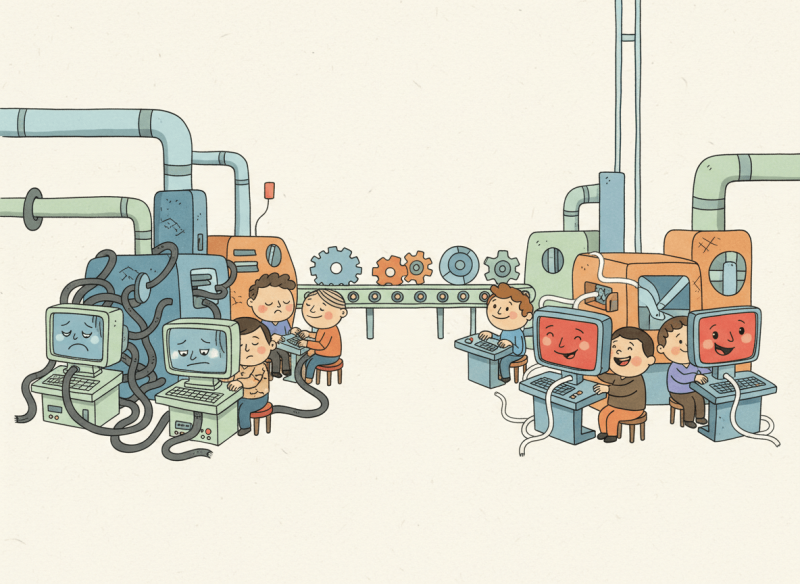
Digital drag is the cumulative slowdown caused by outdated or poorly managed technology.
It is not one big failure. It is hundreds of small inefficiencies layered on top of each other:
- Slow logins at shift start
- Network drops on the shop floor
- Machines that rely on unsupported operating systems
- Manual workarounds because systems don’t talk to each other
- Delayed data between production, inventory, and finance
- Security tools that interfere with performance but still leave gaps
Each issue alone feels manageable. Together, they create friction across the entire operation.
In manufacturing, where margins are tight and timing matters, that friction compounds fast.
Where Digital Drag Shows Up on the Shop Floor
Aging Workstations and Legacy Software
Many manufacturers still rely on computers that were installed a decade ago because “they still work.” The problem is that modern security tools, updates, and integrations were never designed for them.
Symptoms include:
- Long boot times before shifts
- Software freezing during production runs
- Inability to install updates without breaking workflows
- Growing security risks due to unsupported operating systems
What feels like a hardware issue is actually a productivity tax paid every single day.
Network Bottlenecks Across the Plant
Manufacturing networks are no longer just office Wi-Fi. They connect CNC machines, PLCs, scanners, tablets, VoIP phones, cameras, and cloud systems.
Digital drag appears when:
- Wi-Fi drops in certain production zones
- Network switches are unmanaged or overloaded
- VPN access for remote vendors is slow or unreliable
- Cloud-based systems lag during peak hours
When the network slows down, everything slows down with it.
Disconnected Systems and Manual Processes
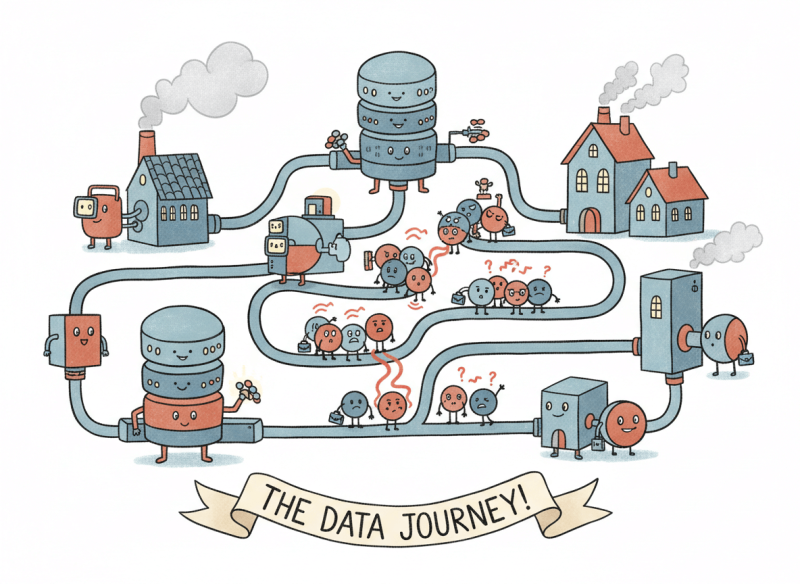
Production data lives in one system. Inventory in another. Accounting in a third. Reporting often happens in spreadsheets.
This creates:
- Duplicate data entry
- Delayed visibility into production and inventory
- Errors caused by manual handoffs
- Leadership decisions based on yesterday’s numbers
Digital drag thrives where systems fail to communicate.
The Financial Impact of Digital Drag
Digital drag does not always show up as a line item, but it affects many of them.
Downtime That Feels “Normal”
When machines pause because a system froze or a network dropped, teams often accept it as part of the day. Over a year, those minutes turn into days of lost production.
Labor Inefficiency
When employees wait for systems to respond, re-enter data, or troubleshoot basic issues, labor costs rise without increasing output.
Missed Growth Opportunities
Manufacturers stuck maintaining legacy systems often delay automation, analytics, and expansion projects because the foundation is not ready.
Cybersecurity: The Silent Multiplier of Digital Drag

Manufacturing has become one of the top targets for cyberattacks in Canada.
The reason is simple. Many plants run:
- Legacy operating systems
- Flat networks with minimal segmentation
- Shared credentials
- Limited monitoring and response capability
Digital drag increases risk because outdated systems are harder to secure. At the same time, poorly implemented security tools can slow systems even more.
The goal is not more security software. It is the right security architecture that protects operations without adding friction.
How Digital Drag Affects Leadership and Decision-Making
Digital drag does not just affect machines and workstations. It affects clarity.
When reporting is delayed or unreliable:
- Executives hesitate to invest
- Operations teams rely on gut feel instead of data
- IT becomes reactive instead of strategic
Manufacturers with modern IT environments make faster decisions because they trust their data and systems.
What Reducing Digital Drag Actually Looks Like
Reducing digital drag is not about ripping everything out and starting over. It is about creating stability, visibility, and scalability.
1. Standardized, Supported Systems
Modern hardware and operating systems designed to run current software securely and efficiently.
2. Network Design Built for Manufacturing
Segmented, monitored networks that prioritize production traffic and reduce single points of failure.
3. Proactive IT Management
Issues are identified and resolved before they impact production, not after.
4. Security That Enables Operations
Security controls designed around manufacturing workflows, not bolted on afterward.
5. Clear Visibility Across Systems
Reliable reporting that connects production, inventory, and business systems.
Why Manufacturers Are Rethinking IT in 2026
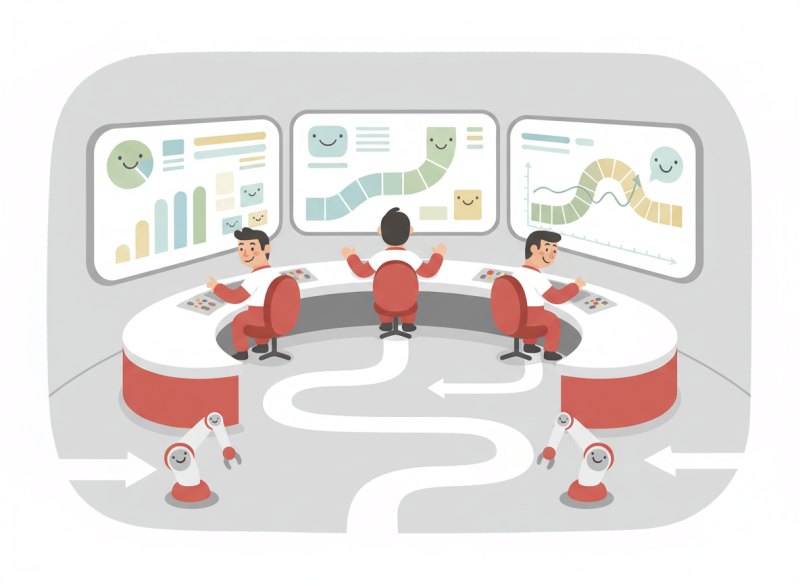
Manufacturing is changing fast. Automation, data-driven planning, remote support, and cybersecurity are no longer optional.
Manufacturers that address digital drag now gain:
- Higher uptime
- More predictable costs
- Better scalability
- Stronger security posture
- Less stress on internal teams
Those that ignore it often find themselves reacting to incidents instead of planning for growth.
How Happier IT Helps Manufacturers Remove Digital Drag
happier IT works with Canadian manufacturers to turn IT from a liability into a competitive advantage.
The focus is simple:
- Reduce downtime
- Improve reliability
- Strengthen security
- Support growth without overcomplicating systems
That starts with understanding how your plant actually operates, not forcing generic IT solutions onto complex environments.
Final Thoughts: Digital Drag Is Optional
Digital drag is not the cost of doing business. It is the cost of doing business with outdated systems and reactive IT.
Manufacturers that modernize thoughtfully do not just run faster. They run calmer, safer, and more profitably.
If your operation feels like it is working harder than it should, digital drag may be the reason.


