

Modernizing Credit Unions Without Disruption
Credit unions that support manufacturing communities face a unique challenge.
They operate in highly regulated environments, serve members who rely on operational stability, and manage legacy systems that were never designed for modern digital workflows. At the same time, expectations are changing. Faster service, better data visibility, and stronger cybersecurity are no longer optional.
The good news is that modernization does not have to mean disruption.
With compliance-safe automation and secure, well-planned workflows, credit unions can modernize their IT environment while maintaining stability, regulatory alignment, and member trust.
This article breaks down how manufacturing-focused credit unions can modernize safely, where automation fits, and which workflows deliver the biggest impact with the lowest risk.
Why Manufacturing-Focused Credit Unions Face Higher IT Risk
Manufacturing-centric credit unions often support members who operate on tight schedules, rely on predictable cash flow, and cannot afford downtime.
- That reality creates higher pressure on internal systems:
- Legacy core banking platforms integrated with outdated tools
- Manual processes tied to compliance and reporting
- Disconnected systems between lending, operations, and IT
- Increased cybersecurity exposure due to older infrastructure
Unlike fintech startups, credit unions cannot “move fast and break things.” Any disruption impacts member confidence, regulatory standing, and operational continuity.
That is why modernization must be incremental, compliant, and secure by design.
What Compliance-Safe Automation Actually Means
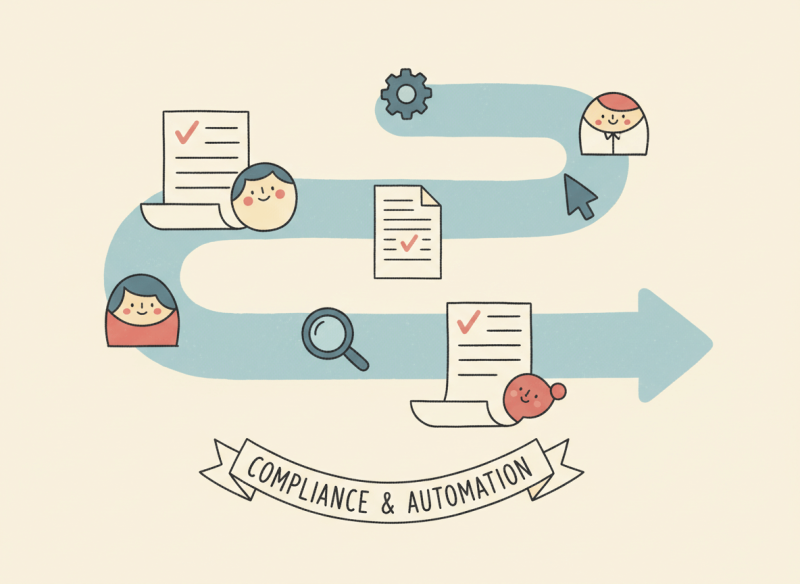
Automation gets a bad reputation in regulated environments, often because it is implemented without guardrails.
Compliance-safe automation is different.
It focuses on:
- Maintaining clear audit trails
- Enforcing access controls and permissions
- Reducing human error without removing oversight
- Supporting regulatory requirements instead of bypassing them
For credit unions serving manufacturing members, automation should assist decision-making, not replace accountability.
This approach allows institutions to modernize workflows while remaining examination-ready at all times.
3 Secure Workflows Credit Unions Can Modernize Safely
Member Onboarding and Account Changes
Manual onboarding processes introduce risk through inconsistent data entry, delayed approvals, and fragmented documentation.
A secure workflow can:
- Standardize intake forms and identity verification
- Route approvals based on role and policy
- Log every action for audit and compliance review
- Integrate with core systems without exposing sensitive data
The result is faster onboarding with fewer errors and stronger documentation.
Compliance Reporting and Internal Audits
Compliance teams often rely on manual exports, spreadsheets, and repeated data requests.
Automation can:
- Pull data from approved systems only
- Generate standardized reports on a fixed schedule
- Restrict access to sensitive compliance data
- Preserve historical records automatically
This reduces audit preparation time while improving consistency and accuracy.
IT Service Requests and Access Management
Manufacturing environments demand uptime, which means IT teams must respond quickly without compromising security.
Secure automation helps by:
- Enforcing approval rules for access changes
- Logging every request and modification
- Preventing unauthorized system access
- Reducing response times without bypassing controls
This protects both internal systems and member data.
Modernization Without Disruption Starts With the Right Strategy

The biggest mistake credit unions make is trying to modernize everything at once.
A safer approach looks like this:
- Identify low-risk, high-impact workflows
- Map compliance requirements before automation
- Modernize systems in phases
- Monitor performance and security continuously
This strategy minimizes disruption while delivering measurable improvements quickly.
Cybersecurity Must Be Built Into Every Workflow
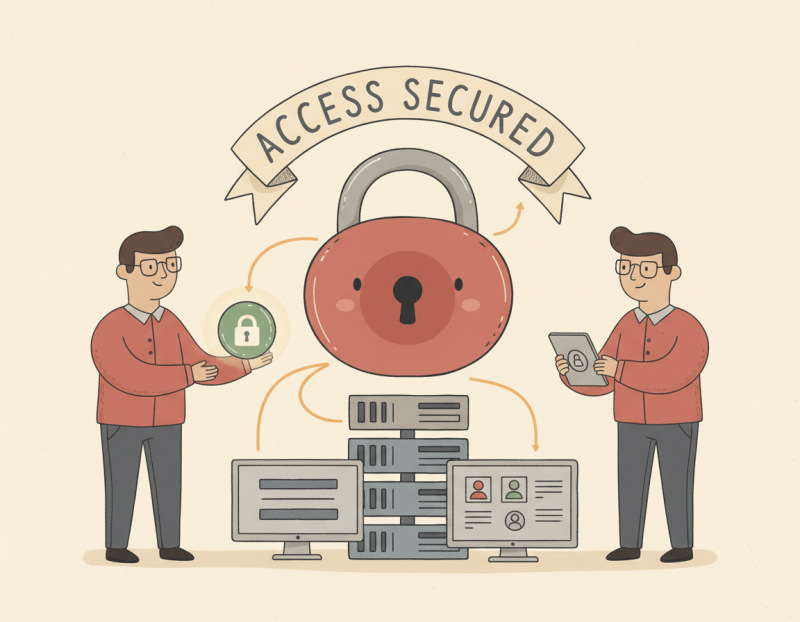
For credit unions connected to manufacturing ecosystems, cybersecurity risks extend beyond the institution itself.
Legacy systems, vendor access, and shared data flows all increase exposure.
Modernization efforts should include:
- Role-based access controls
- Endpoint and network monitoring
- Secure integrations between systems
- Regular testing and review of automated workflows
Security cannot be bolted on after automation. It must be part of the design from day one.
How Happier IT Supports Credit Unions Through Secure Modernization
happier IT works with regulated organizations that need modernization without unnecessary risk.
Our approach focuses on:
- Compliance-aware automation design
- Secure workflow implementation
- Cybersecurity-first infrastructure planning
- Incremental modernization that avoids disruption
For manufacturing-focused credit unions, this means better performance, stronger security, and confident compliance, without compromising daily operations.
Modernization Is No Longer Optional, But Disruption Is
Credit unions that serve manufacturing communities cannot afford to stand still. At the same time, they cannot afford disruption.
Compliance-safe automation offers a path forward that balances modernization, security, and regulatory responsibility.
By focusing on secure workflows and phased improvements, credit unions can modernize confidently and support their members well into the future.


